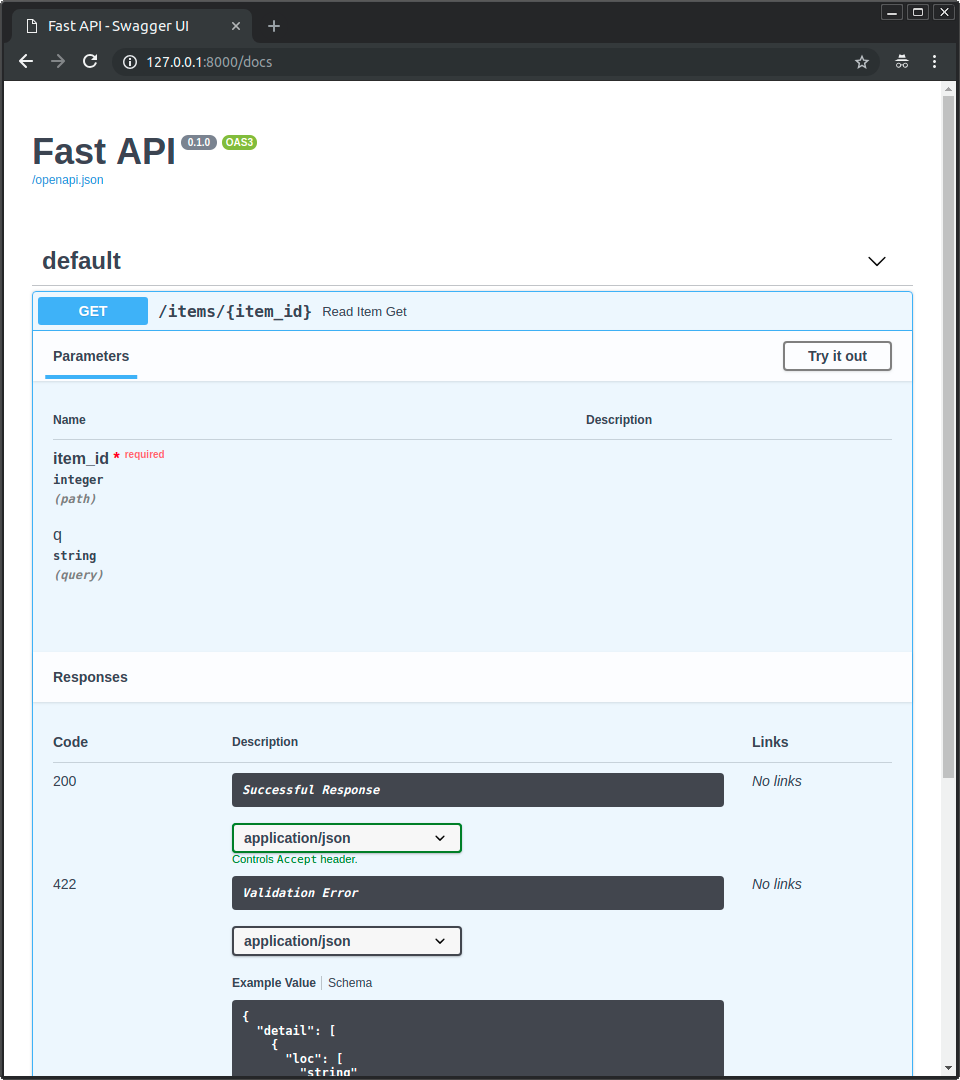

FastAPI 0.165.0 adds configurable form-parsing limits for applications that receive form fields and file uploads. The November 18 release points to an implementation covering the framework’s automatic handling of form and file parameters.
The source change introduces limits on the number of non-file fields, the number of files in a multipart form and the size of an individual non-file field in bytes. The configuration validates non-negative integers and rejects unexpected settings.
A field limit is not a file-size limit
The distinction in the source is important: max_part_size refers to a non-file field. A reader should not interpret that name as a promise that every uploaded file or the complete HTTP request is restricted to the same size.
Applications still need to consider their complete request-body policy, file handling and deployment settings. Limiting how many files a form contains answers a different question from limiting the amount of data in one file.
Configuration follows the application’s route structure
The implementation supports settings at application, router and route levels, including router inclusion. Its upstream tests exercise nested and reused routers, mounted applications, direct routes and forms accessed through dependencies.
One test deliberately gives two inclusions of a reused router different file-count settings. This is useful evidence of the intended scope: configuration for one inclusion should not silently alter another. These are tests we inspected in the change, not tests we executed.
Our analysis: make parsing policy explicit
Form-handling policy often becomes visible only after an application grows beyond a small upload example. Different endpoints can have different requirements: an administrative import, a profile form and a public attachment form need not accept identical shapes or volumes.
Putting those choices near the relevant routes can make them easier to review. It also gives a test suite concrete boundaries to exercise, such as an extra field, one too many files or a non-file value larger than the intended allowance.
The release should not be portrayed as proof that an existing deployment is secure, or as a newly disclosed vulnerability by itself. Its contribution is more direct control over one stage of request processing. Other parts of the request path remain relevant.
The source is MIT-licensed. Our existing FastAPI profile links the project, and the official form-and-file guide provides background. We did not install the update, send upload requests or independently validate its security behavior.
EXPLORE THE SOURCE
Projects in this story
GitHub repositories
- fastapi/fastapi ↗View project details
Primary-source review and original editorial analysis. No software installation, model inference, API call, security validation or independent benchmark performed.