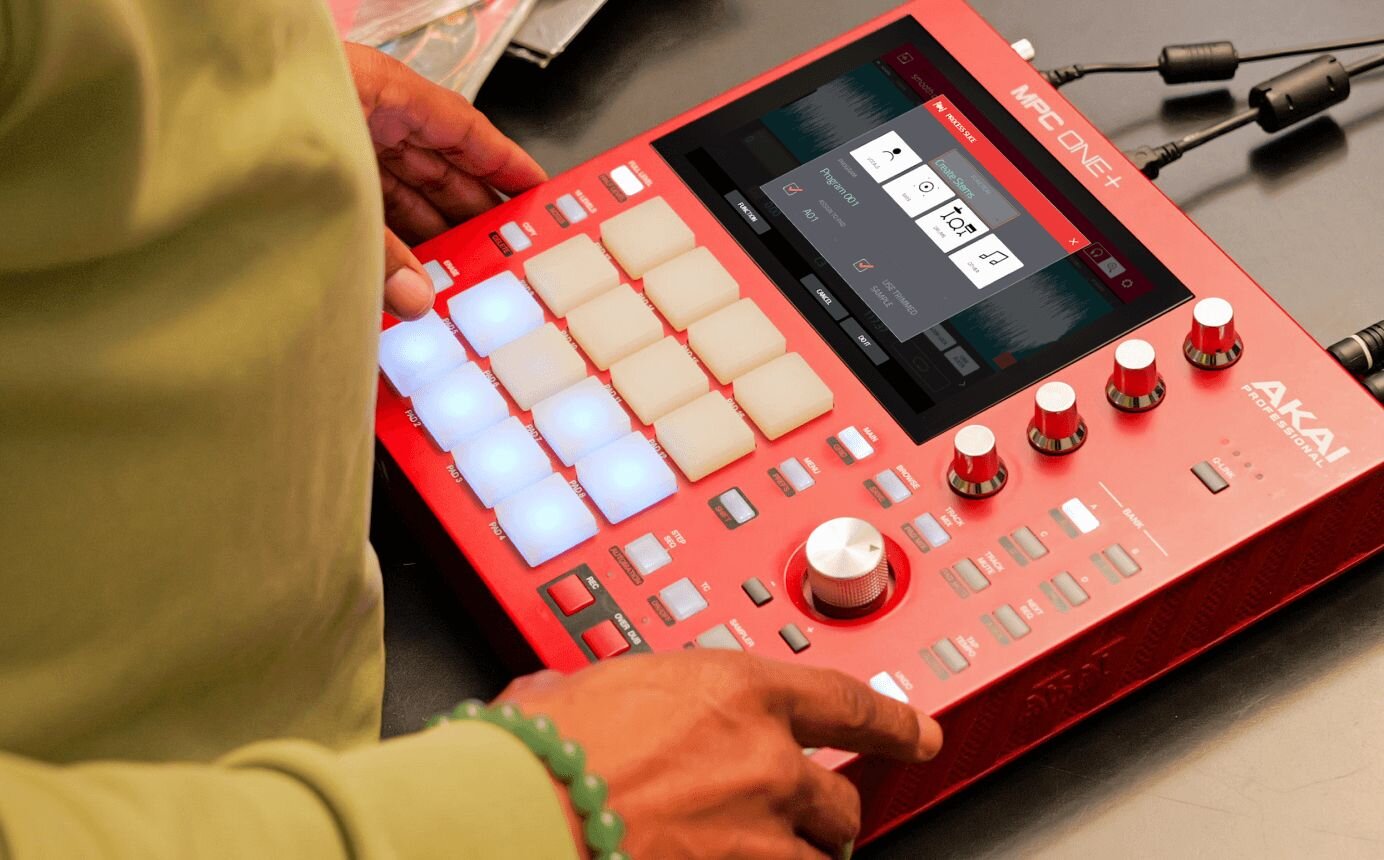
Music production hardware is having an open-source moment. Behringer's KICK and IGNITE repositories have put substantial device code in public view, Polyend has published a Tracker Community Edition, and inMusic—the company behind Akai Professional—has opened a repository for software components used in MPC devices. For producers who want instruments that can grow beyond their factory features, that is an exciting direction.
There is a crucial distinction, though: inMusic's current repository is a source-disclosure archive for open-source components, not a release of the complete proprietary MPC application. It does not by itself give an MPC owner a supported way to install custom instruments. What the company has discussed for future developer tools is a separate story.
We reviewed the public repositories and official product information on November 8, 2026. The developments discussed here span late October and early November; they did not all happen on the same day.
What inMusic actually published
The official inMusic AZ0x Open Source Releases repository describes archives of open-source code for the Linux environment in its products, published in accordance with the licenses of the underlying components. Its README says changes from upstream projects are limited. The GitHub repository was created November 4, according to GitHub's repository metadata; the article you are reading was published November 8.
Its branches identify source packages for MPC G1 and G2 devices at version 3.10 and MPC Sample at version 1.3.0. The G1 list includes MPC One, One+, Live, Live II, X, X Special Edition, Key 37, Key 61 and Force. G2 includes MPC XL, Live III, One G2 and Key 37 G2. Those labels identify the products and versions covered by the archive; they are not a promise that every device can run an alternative operating system.
The files make the underlying environment more inspectable. They do not, on the evidence in this repository, include the complete MPC music-making application or an SDK for adding standalone plugins. Akai's current support guidance says third-party VSTs require a computer rather than installation in standalone mode. Researchers and independent modders may find other paths, but the publication of these archives alone does not change Akai's supported plugin policy.
What Akai has said about creators
There is also a forward-looking story worth watching. On October 28, The Verge reported that Akai was showing community-made modifications for the forthcoming MPC Sample Key and that inMusic CEO Jack O'Donnell discussed providing some source code, a software development kit and early hardware to developers. Create Digital Music cautioned that custom coding can be enabled through a separate environment and does not necessarily mean all firmware or hardware is open source.
inMusic's Creator Lab page for NAMM 2027 describes a hands-on space for musicians, developers and modders. That is a direction, not a substitute for a published SDK, specific device compatibility or a license. We will look for those details as they become available.
Background video: Akai Professional's March 24, 2026 MPC Sample overview shows the instrument itself. It predates these source and modding developments and should not be mistaken for an announcement of them.
Watch Akai Professional's overview on YouTube.
Behringer went beyond KICK
Music Tribe's KICK repository lists the sampler application's code, its AudIO audio engine, hardware communications and a Linux build tree. Its own application and library code is published under AGPL-3.0-or-later; third-party components keep their own licenses. Product images and trademarks are not covered by the code license.
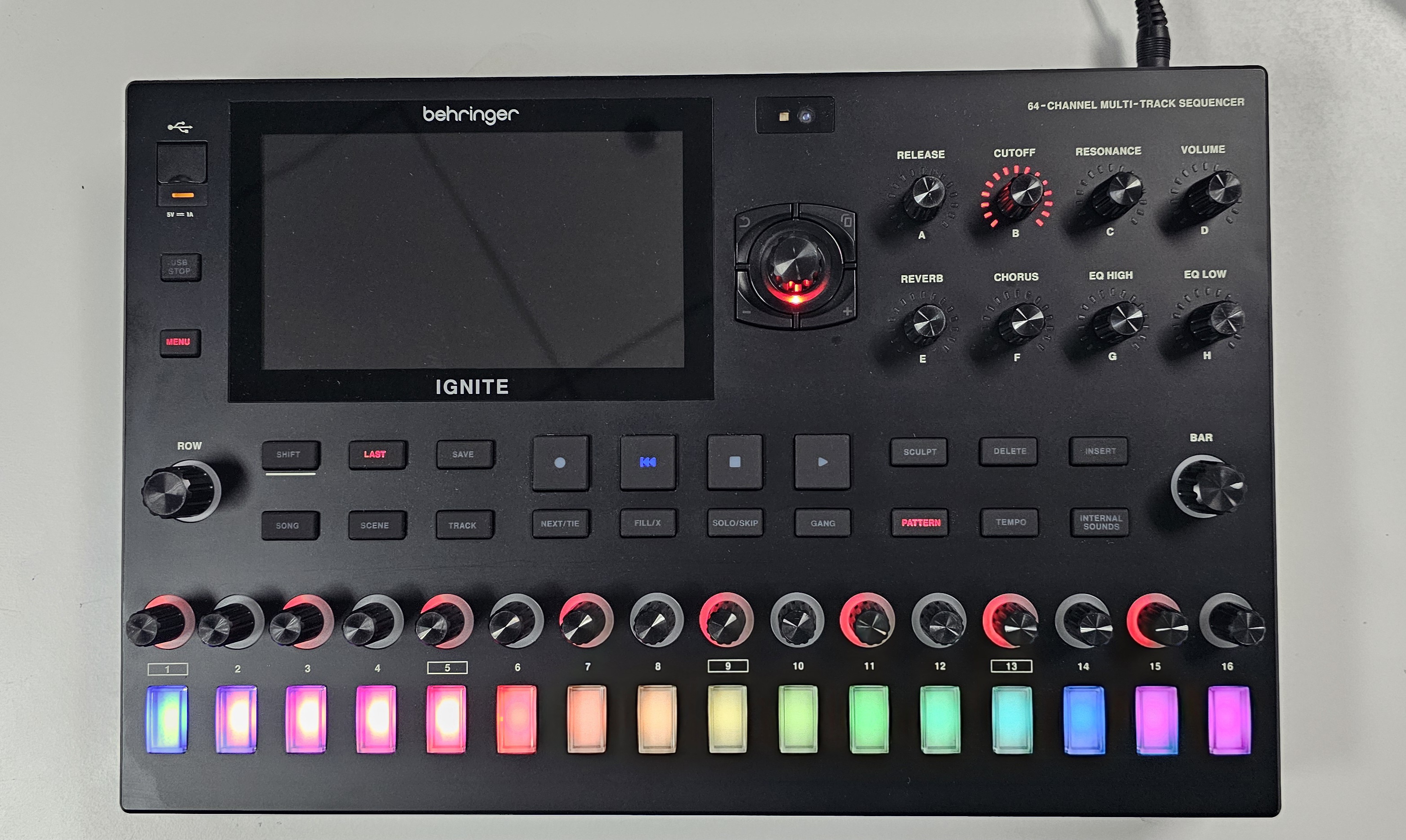
There is a second project: the IGNITE sequencer repository. Music Tribe describes a 64-channel sequencer and has published its application, audio engine, communications protocol and Buildroot tree. Its README also says some material could not be redistributed and must be replaced for parts to build. It explicitly says there is no official firmware release in that repository yet. A public source tree is meaningful, but it is not the same thing as a finished product or a ready-to-install update.
The timing is hard to miss: MusicRadar noted that Akai's Sample Key teaser arrived a day after Behringer's KICK reveal. Competition may help explain why openness has become such a visible selling point, but we have not seen evidence establishing that Behringer caused inMusic's decisions. The community was already experimenting with music hardware before either announcement.
Other companies, different definitions of open
Polyend: The official Tracker Community Edition covers the original Tracker, Tracker Mini and Tracker+. It offers source, developer materials and community firmware releases. Its license combines MIT-style terms with a restriction on wholesale commercial clones, and some synthesizer and DSP libraries are provided as binaries under separate terms. That is useful source availability, but calling the complete package simply standard MIT open source would omit important conditions.
Erica Synths: The LXR-02 desktop firmware is published under GPL-3.0-only with additional permissions and third-party notices. Erica distinguishes the firmware from its hardware designs and trademarks. That distinction gives musicians and developers a concrete basis for exploring changes while keeping the rights to schematics and branding separate.
M-VAVE: The manufacturer's FM1 Open project publishes an application and a development kit for its small FM synthesizer. Its README describes the application as GPLv3 with an SDK linking exception, while the device engine is supplied as a binary SDK under separate terms. A thriving community of alternative firmware projects shows what can happen when enthusiasts have a device to experiment with, but each project and dependency still needs its own license check.
Synthstrom Audible: The Deluge firmware repository is another important example of an established instrument supporting community development. It shows that musicians do not need to wait for a new product category to benefit from a longer-lived software community.
Our view: openness has to work for musicians
Our view is that the most valuable outcome is not a contest over who can announce the biggest repository. It is a musician being able to back up a project, install a trustworthy enhancement, recover from a bad update and keep making music. A source release matters, but documentation, build instructions, compatible tools, a safe recovery path and clear licenses are what turn source code into a practical platform.
AI-assisted coding can lower the barrier to experimentation, but it does not replace testing. An effect that sounds interesting in a demo still needs predictable timing, reliable storage and a way to avoid breaking an existing set. Equally, a company can offer a useful extension system without open-sourcing every line of firmware—provided it is honest about what users can inspect, modify and share.
For MPC owners, the immediate opportunity is to study what inMusic has actually published and follow the promised developer tools. For everyone watching this space, the bigger story is that more instruments are becoming conversations between their makers and the people who play them. We have not installed or tested custom firmware for this article.
Original reporting and commentary. Product imagery credited to the respective manufacturers; no custom firmware was installed or tested.