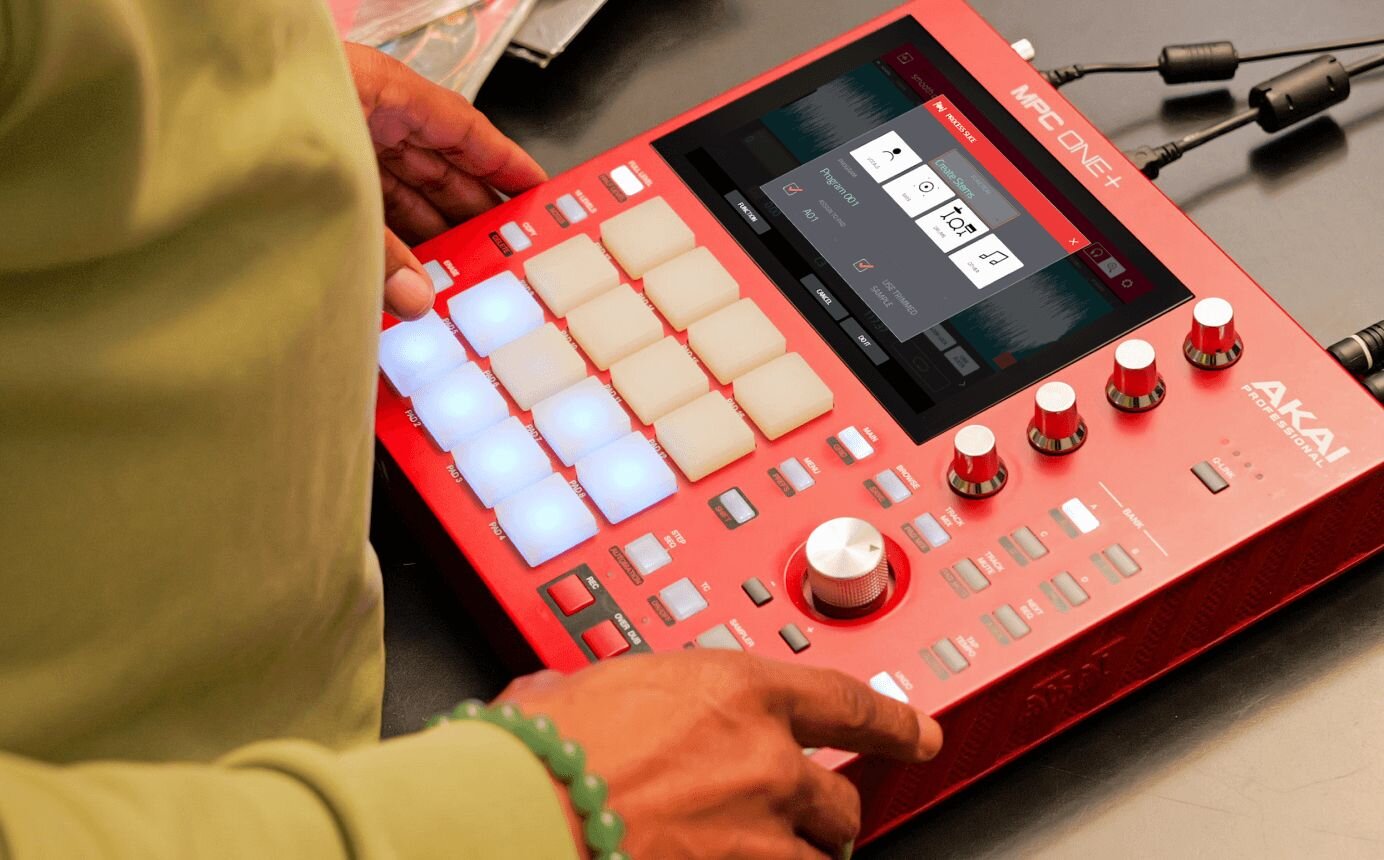
Akai owners have a new official route to build custom instruments and effects for MPC standalone hardware. The MPC Plugin SDK, published by parent company inMusic, includes templates, examples and tools for creating external plugins. Its documentation says plugin support requires MPC OS 3.10.1 or later and must be enabled in the device’s Enhancements settings.
What the SDK actually opens
The repository describes a workflow in which a developer or coding agent creates C++ plugin code and interface descriptions, builds binaries for the appropriate hardware, and copies the resulting plugin folder to a USB drive or SD card. It lists both older 32-bit MPC and Force hardware and newer 64-bit devices. Compatibility depends on the device, firmware and individual plugin; check the project’s current instructions.
The SDK states it is MIT licensed and says it contains no Steinberg VST SDK code. Its examples and tooling are useful starting points, but a generated plugin still needs human review and real testing. The project warns that third-party plugins run inside the MPC application without isolation: a defective plugin can freeze or restart the host. Back up work and use the simulator before trying anything on a device.
Open components are not the whole MPC OS
inMusic’s separate source archive contains open-source components used in its products and describes releases under their respective licenses. That is distinct from the plugin SDK and does not establish that the complete MPC application, audio engines or firmware have been released as open source.
For musicians and independent developers, the significance is practical: an officially documented extension point can make experimentation less dependent on unofficial modifications. The boundaries still matter—license terms, host support and hardware validation are different things. Read the SDK repository profile and inMusic source archive profile for links to the original projects. We have not built this SDK or tested its output on an MPC for this article.
EXPLORE THE SOURCE
Projects in this story
GitHub repositories
- inmusic-software/mpc-plugin-builder-sdk ↗View project details
- inmusic-software/az0x-open-source ↗View project details
Original reporting based on linked primary sources; no independent hardware, model or benchmark test.